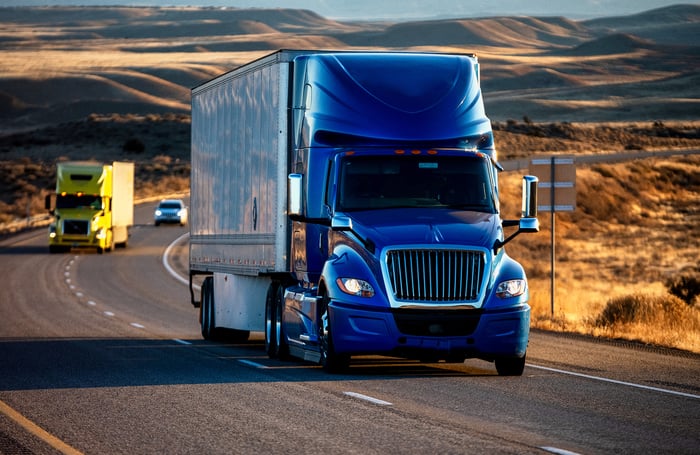
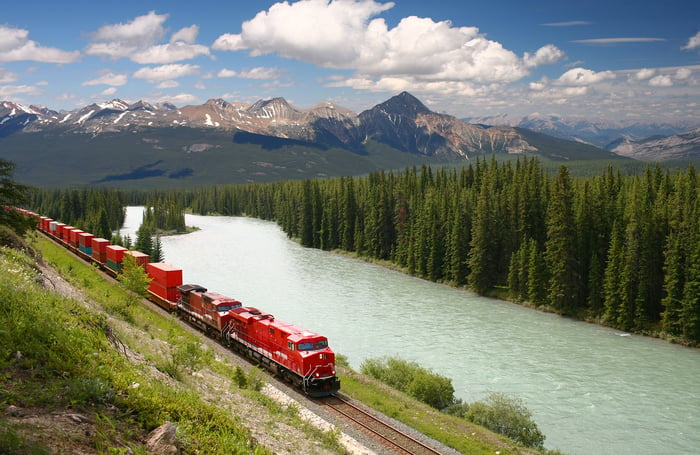
<img alt="" src="https://secure.refl3alea.com/149753.png" style="display:none;">

Solutions

Start with what you need to do, move to the right solutions based on your responsibilities and take the next steps.

Explore solutions
Industries

Transportation: Connecting contractor compliance to the work ahead

Transportation work often involves active routes, mobile equipment, public-facing environments and changing site conditions. Get a clearer view of what shapes requirements, readiness and next steps before work begins or continues.

hero-industry-transportation-01

Learn what makes transportation contractor compliance more demanding

Transportation often calls for a more structured approach to worker readiness and site requirements before work begins. The work environment, type of infrastructure, equipment involved and the mix of roles on site can all affect what needs to be confirmed early.

What to keep in mind when it comes to transportation contractor compliance requirements: 

  • Active work environments

    Transportation work can happen on roads, bridges, terminals, depots, rail corridors, ports and other active environments where access, traffic and safety conditions can change quickly.

  • Operational role mix

    The work often brings together drivers, operators, mechanics, maintenance crews, inspectors, traffic control teams, subcontractors and other support roles, which can make worker fit and current status more important to confirm early.

  • Operational continuity

    Work may happen while people, goods, vehicles or equipment keep moving, so teams often need a clear way to manage requirements without losing sight of operational demands.

  • More than paperwork

    In this sector, requirements often need a more organized process than a one-time document check because work can vary by route, facility, project, vehicle type or operating environment.
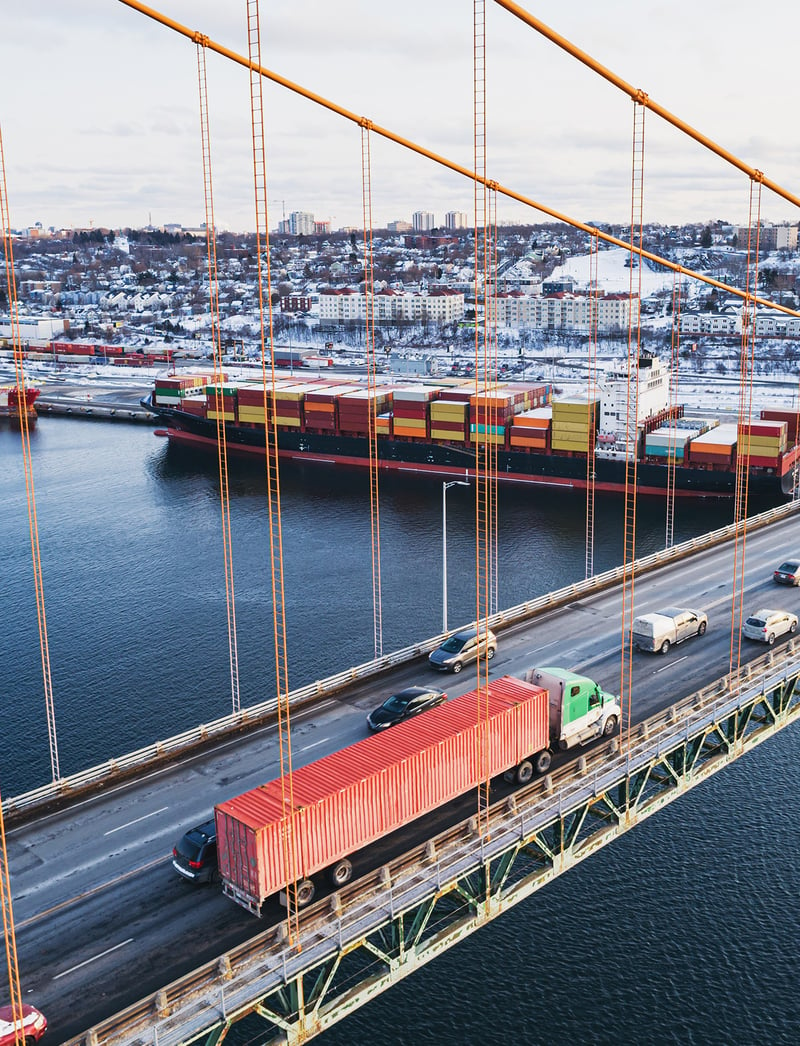

img-portrait-transportation-01a

Find out what transportation contractor compliance usually involves

Transportation contractor compliance requirements often span the full spectrum of qualification, training and site readiness. Here’s what transportation operators, infrastructure teams, fleet leaders, logistics teams and contractor teams usually need to review before moving ahead.
Contractor requirements
img-box-contractors-03
For transportation operators, infrastructure teams, fleet leaders and procurement or contractor management teams, this often involves reviewing credentials, insurance, business information and other approval criteria before work begins.
Worker qualification
img-landscape-transport-01
For drivers, equipment operators, mechanics, maintenance crews, traffic control workers, inspectors and other field-based workers, the focus may shift to qualifications, experience and role fit for their work at one site, route or multiple locations.
Training expectations
img-box-about-08
For field crews, maintenance teams, operators and transportation contractors, assigned training, refreshers, onboarding or site-specific learning may be part of the readiness picture.
On-site conditions
img-landscape-transport-03
From one road, terminal, depot, rail corridor, facility or project site to another, access rules, traffic conditions, equipment use and site-specific controls can influence what needs attention on site.
Regulatory environment
img-landscape-transport-02
The operating environment, local health and safety expectations, common industry practices and regional conditions can all shape regulatory requirements.

See what this industry requires from contractors before work begins

Start here to understand how transportation working conditions can affect contractor requirements, worker readiness, training and site access. From there, look more closely at the requirements that apply to you and the tools that support them.

What comes next depends on your role: 

  • Hiring clients

    You set the requirements, check status and keep work moving with clearer visibility.

  • Contractors

    You complete the requirements, keep your information up to date and show you’re ready for the work ahead. 

AdobeStock_731231078

Explore industry-specific requirements

Route users into solution-based journeys once role context is clear . Lorem ipsum dolor sit amet, consectetur adipiscing elit. Aliquam viverra arcu lobortis rutrum euismod. Proin quis suscipit libero. Nunc efficitur facilisis semper. Etiam at elit bibendum, ultrices orci in.

Structure

Contractor requirements 

Lorem ipsum dolor sit amet, consectetur adipiscing elit. Aliquam viverra arcu lobortis rutrum euismod.

Worker qualification

. Lorem ipsum dolor sit amet, consectetur adipiscing elit. Aliquam viverra arcu lobortis rutrum euismod.

Site compliance

Lorem ipsum dolor sit amet, consectetur adipiscing elit. Aliquam viverra arcu lobortis rutrum euismod.

Training expectations 

Lorem ipsum dolor sit amet, consectetur adipiscing elit. Aliquam viverra arcu lobortis rutrum euismod.

Regulatory landscape 

Lorem ipsum dolor sit amet, consectetur adipiscing elit. Aliquam viverra arcu lobortis rutrum euismod.

Turn transportation contractor compliance into action

Once you know what transportation work requires, the next step is choosing the right Veriforce product for the job.
  • SafeContractor or ComplyWorks

    Give your transportation teams a time-tested way to manage contractor requirements.

  • SafeLearning or SafeEmployee 

    Add when you need to manage the training and credential status of your workforce.

GettyImages-1263582521

Key takeaways

  • Group-1

    Operating conditions matter

    Transportation often involves active routes, changing site conditions and a mix of operational roles across different locations. 

  • Group-1

    Readiness matters early

    Teams need a clearer view of transportation readiness requirements before work begins, not after.

  • Group-1

    Site environment matters

    Expectations can shift based on the route, facility, equipment, location or type of work.
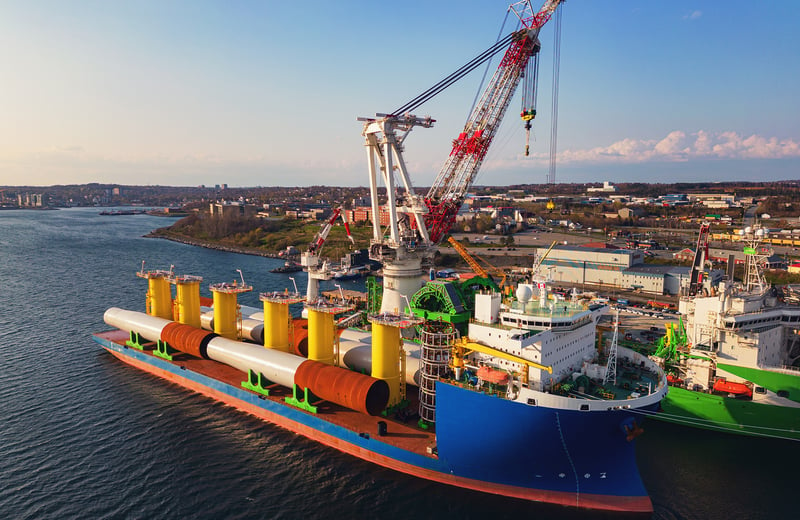
img-landscape-transport-04