Operating environment
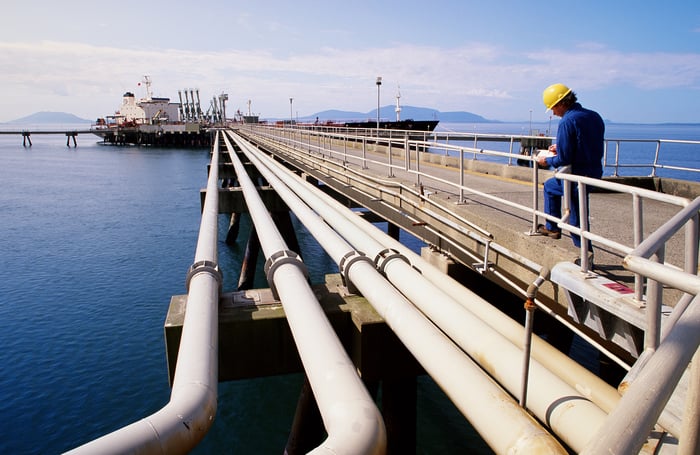
Oil and gas work can involve flammable materials, pressure systems, hazardous energy, confined spaces and changing field conditions that call for more planning before work starts.
Hiring Clients
Explore solutions that can help you source contractors, confirm worker readiness, manage work on-site and review performance over time.
Explore solutionsContractors
Find the contractor solution that best matches the work in front of you, whether you need to get compliant, complete training or stay work-ready.
Explore solutionsProducts
Discover products that help you manage contractor qualification, workforce compliance and training requirements, from pre-job planning to on-site readiness.
Explore productsSolutions
Start with what you need to do, move to the right solutions based on your responsibilities and take the next steps.
Explore solutionsIndustries
Review how sector-specific conditions shape contractor compliance, worker qualification, site readiness and what comes next before work moves ahead.
Explore industriesResources
Browse articles, guides, reports and webinars that can help you stay on top of worker safety, contractor compliance and industry trends.
Explore resourcesAbout
Get to know Veriforce Canada through our mission, leadership, history, partnerships, updates and career opportunities.
Explore VeriforceSupport
Reach out to Veriforce Canada for support requests, product access, account questions or general information.
Explore supportOil and gas work often involves higher-risk tasks, changing operating conditions and strict site expectations. Get a clearer view of the environment that shapes requirements, readiness and next steps before work moves ahead.
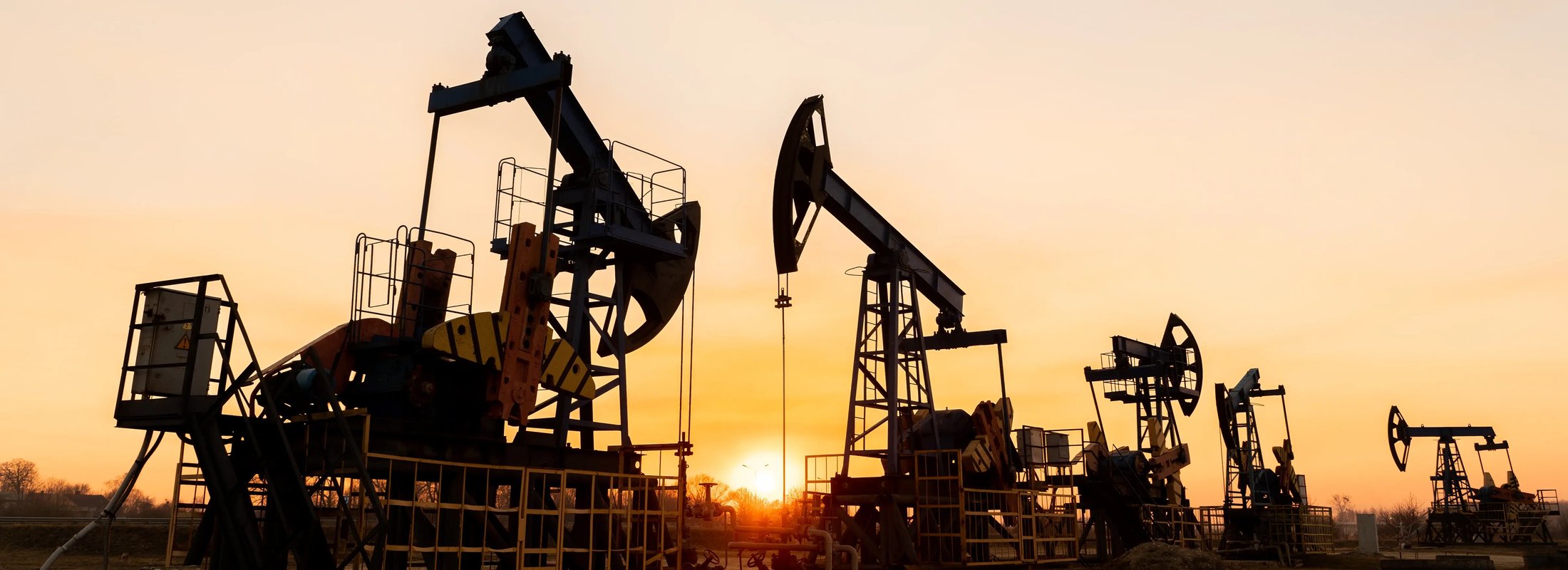
What to keep in mind when it comes to oil and gas contractor compliance requirements:
Oil and gas work can involve flammable materials, pressure systems, hazardous energy, confined spaces and changing field conditions that call for more planning before work starts.
Work often brings together operations, maintenance, contractor and technical support roles, which can make worker fit, training and current status more important to confirm early.
In the Canadian oil and gas industry, process safety, asset integrity, hazard assessment and worker training all play a central role in safe, reliable operations.
In this sector, requirements usually need a more organized process than a basic document check on its own.

What comes next depends on your role:
You set the requirements, check status and keep work moving with clearer visibility.
You complete the requirements, keep your information up to date and show you’re ready for the work ahead.

Route users into solution-based journeys once role context is clear . Lorem ipsum dolor sit amet, consectetur adipiscing elit. Aliquam viverra arcu lobortis rutrum euismod. Proin quis suscipit libero. Nunc efficitur facilisis semper. Etiam at elit bibendum, ultrices orci in.
Lorem ipsum dolor sit amet, consectetur adipiscing elit. Aliquam viverra arcu lobortis rutrum euismod.
. Lorem ipsum dolor sit amet, consectetur adipiscing elit. Aliquam viverra arcu lobortis rutrum euismod.
Lorem ipsum dolor sit amet, consectetur adipiscing elit. Aliquam viverra arcu lobortis rutrum euismod.
Give your oil and gas teams a time-tested way to manage contractor requirements.
Add when you need to manage the training and credential status of your workforce.

Oil and gas often involves hazardous energy, process risk, changing operating conditions and stricter site expectations than other environments.
Teams need a clearer view of oil and gas readiness requirements before work begins, not after.
Expectations can shift based on the facility, activity or stage of work.