.png?width=190&height=71&name=VF-Canada-v1%20(1).png)


Active work environments
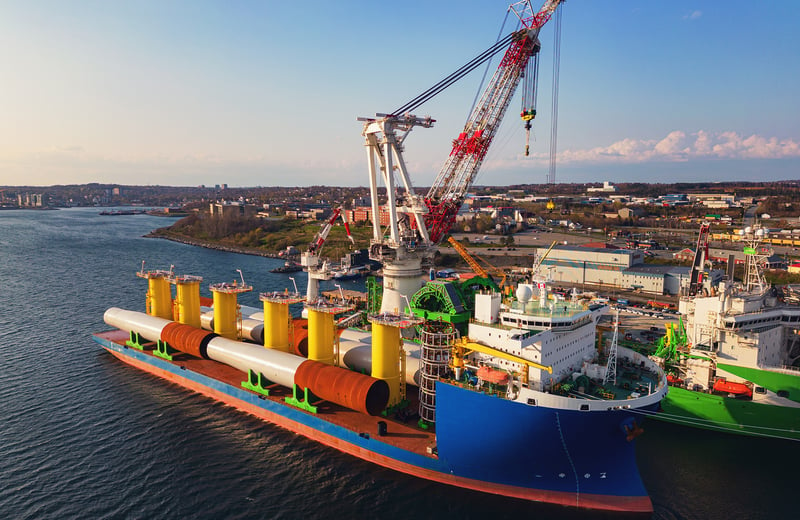
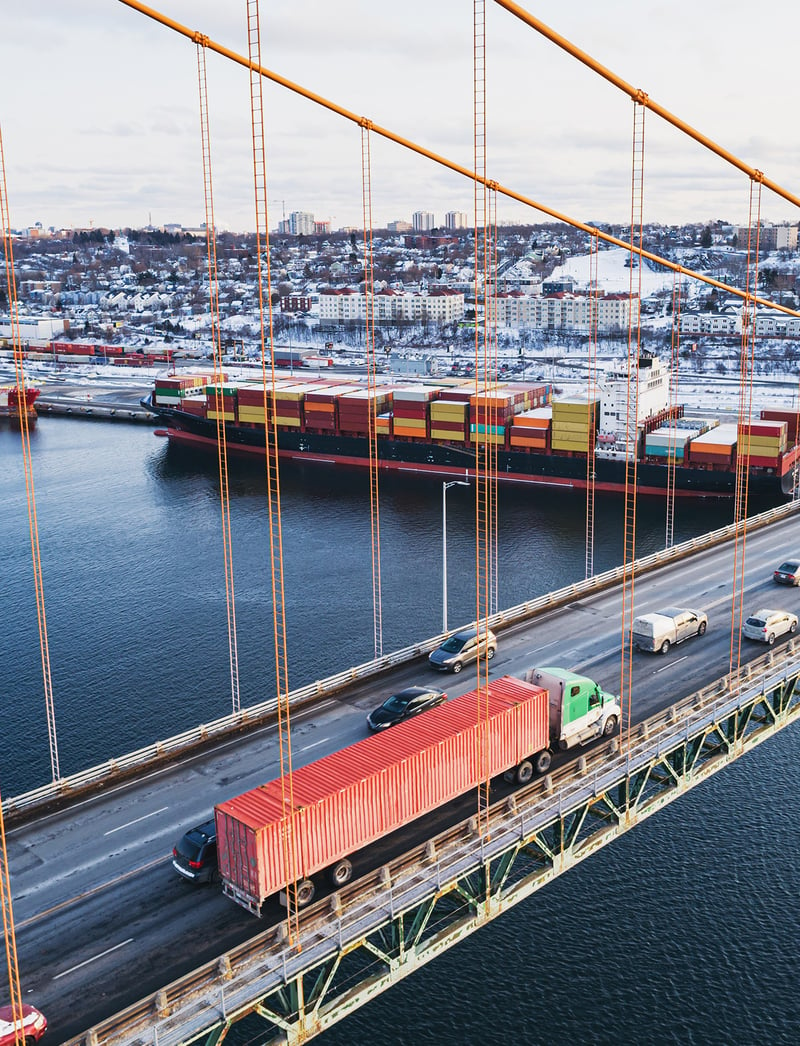
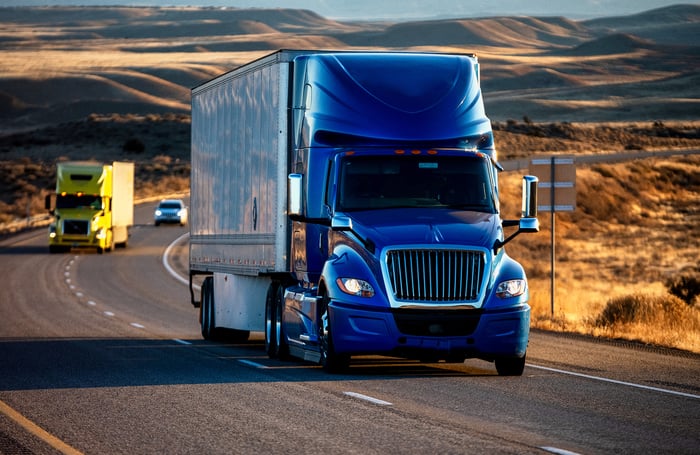
Transportation work can happen on roads, bridges, terminals, depots, rail corridors, ports and other active environments where access, traffic and safety conditions can change quickly.
Transportation work often involves active routes, mobile equipment, public-facing environments and changing site conditions. Get a clearer view of what shapes requirements, readiness and next steps before work begins or continues.

What to keep in mind when it comes to transportation contractor compliance requirements:
Transportation work can happen on roads, bridges, terminals, depots, rail corridors, ports and other active environments where access, traffic and safety conditions can change quickly.
The work often brings together drivers, operators, mechanics, maintenance crews, inspectors, traffic control teams, subcontractors and other support roles, which can make worker fit and current status more important to confirm early.
Work may happen while people, goods, vehicles or equipment keep moving, so teams often need a clear way to manage requirements without losing sight of operational demands.
In this sector, requirements often need a more organized process than a one-time document check because work can vary by route, facility, project, vehicle type or operating environment.


What comes next depends on your role:
You set the requirements, check status and keep work moving with clearer visibility.
You complete the requirements, keep your information up to date and show you’re ready for the work ahead.

Give your transportation teams a time-tested way to manage contractor requirements.
Add when you need to manage the training and credential status of your workforce.


Transportation often involves active routes, changing site conditions and a mix of operational roles across different locations.
Teams need a clearer view of transportation readiness requirements before work begins, not after.
Expectations can shift based on the route, facility, equipment, location or type of work.