.png?width=190&height=71&name=VF-Canada-v1%20(1).png)


High-risk work
Tasks may involve pressure systems, hazardous materials, confined spaces or work at height.
Managing oil and gas contractor compliance often involves more than basic approval checks. Get a clearer view of the requirements that may shape contractor readiness, worker qualification, site conditions and regulatory expectations—before work begins or continues.

What on-site realities prevent contractor compliance from staying simple:
Tasks may involve pressure systems, hazardous materials, confined spaces or work at height.
Work may shift between rigs, plants, pipelines or remote field sites with different conditions.
Operators, contractors, maintenance teams and technical specialists often work side by side.

When high-risk work, changing environments and mixed crews come together, oil and gas teams usually face a consistent set of pressure points.
Where these pressure points usually show up:
Operators and site leaders need confidence that the contractor company is suited to the work.
Teams must confirm that workers arriving on site are qualified for the task in front of them.
Training and documentation must stay up to date, especially for safety-critical work.
Site access and readiness can shift depending on location, activity or stage of work.

When contractor requirements, worker readiness and site conditions are handled separately or checked too late, small gaps in the process can create bigger problems.
What can go wrong:
A worker may be approved but not ready for a specific task or site condition.
A contractor may look qualified on paper but not be a strong fit for that environment.
One area may be ready for work while another requires different controls.

Oil and gas teams need a more connected way to assess contractor and workforce readiness before work begins or continues.
When company approval, worker readiness, training status and site conditions all need to align, one missing piece can delay the rest of the work.
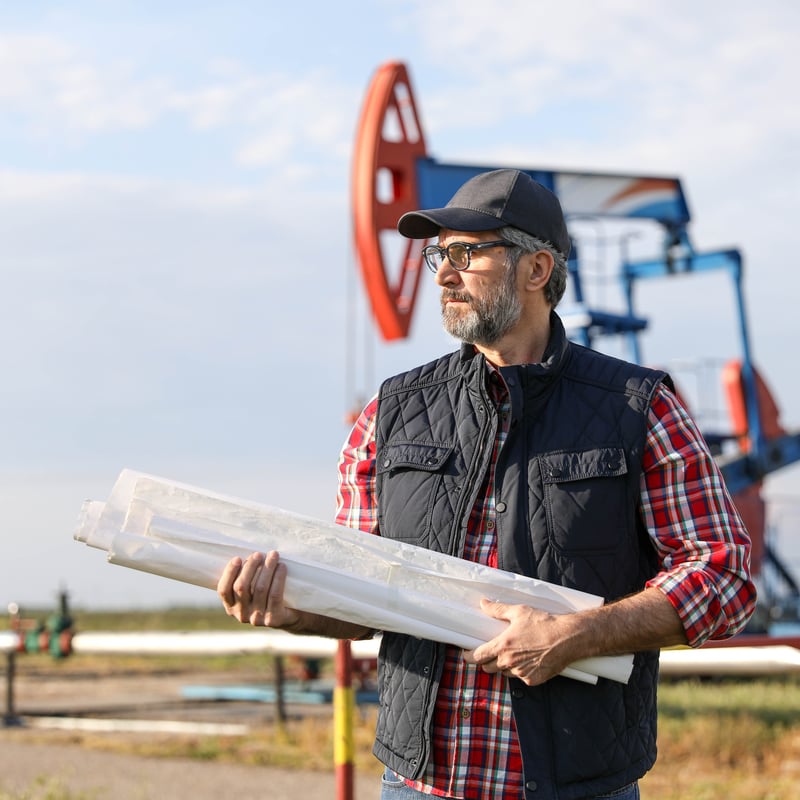
For operators, site managers and procurement or contractor management teams, contractor requirements usually form the starting point.
Before work begins, teams need to confirm that the contractor company is ready for the work environment.
Where early company-level checks focus:

Confirms how the contractor is set up and operating.
Ensures coverage aligns with the risks involved.
Provides insight into safety practices and performance.
Shows whether the contractor has worked in similar oil and gas environments.
Confirms the contractor can deliver the required services.
Reflect site- or operator-specific expectations.
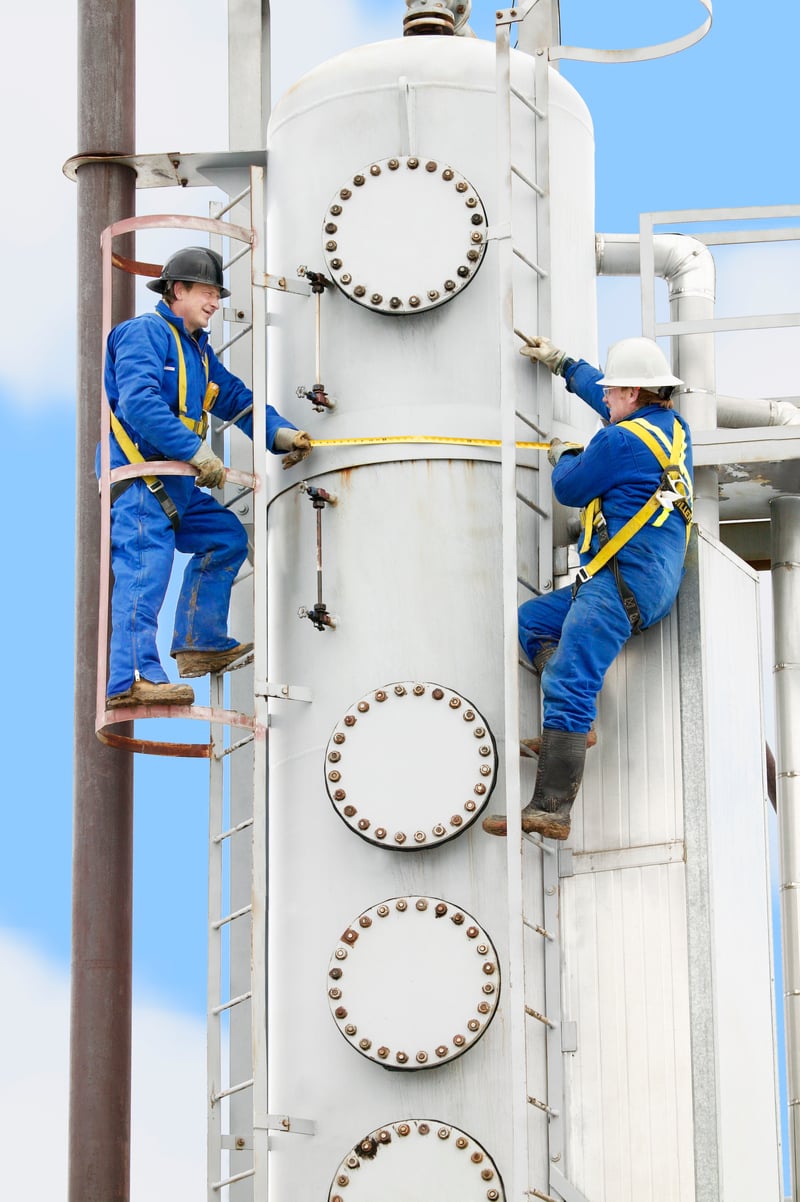
Once the company is approved, attention shifts to the workers.
For rig crews, pipefitters, welders, electricians, instrumentation technicians, operators and maintenance teams, readiness depends on role fit.
Do workers have the right qualifications, experience and current training for the task and environment?
Oil and gas sites can vary widely, from drilling rigs to processing facilities to pipeline corridors.
Site compliance reflects local rules, safety conditions and activity-specific controls.
The closer the work is to high-risk operations, the more site-specific the requirements tend tobe.
The final oil and gas requirement is the regulatory environment surrounding the work.
In Canada, workplace health and safety rules are set through federal, provincial and territorial laws, so the rules and expectations can vary by jurisdiction. Oil and gas teams may also need to consider the kind of site involved and the way that operation is governed.
That regulatory landscape affects how teams think about the work, what they may need to document and how they interpret contractor and workforce readiness for any site or activity.

Getting everything right from the start can improve contractor compliance across the board before work begins or continues.
What a stronger contractor management process can bring:
Site leaders can act sooner.
Teams can better judge whether work can move ahead.
Teams can adjust requirements to the role, site or activity instead of forcing one flat standard across everything.
Gaps are caught earlier.
Requirements are reviewed together.
Work is less likely to stall.

The right process can meet more than one standard.
What standards matter most:
Regional compliance requirements tied to the location of work.
Internal expectations around risk and performance.
Shared safety, training and operational methods.



Oil and gas teams usually need a clear view of company, worker and site readiness before work begins.
A more connected approach can make it easier to catch gaps in the process before they affect timing, safety or coordination.
Contractor compliance requirements may need to change based on the role, site or activity.
Teams often need a process that can hold up against site expectations, company standards and legal obligations.
Better contractor compliance management supports clearer decisions and a steadier path into the work ahead.